
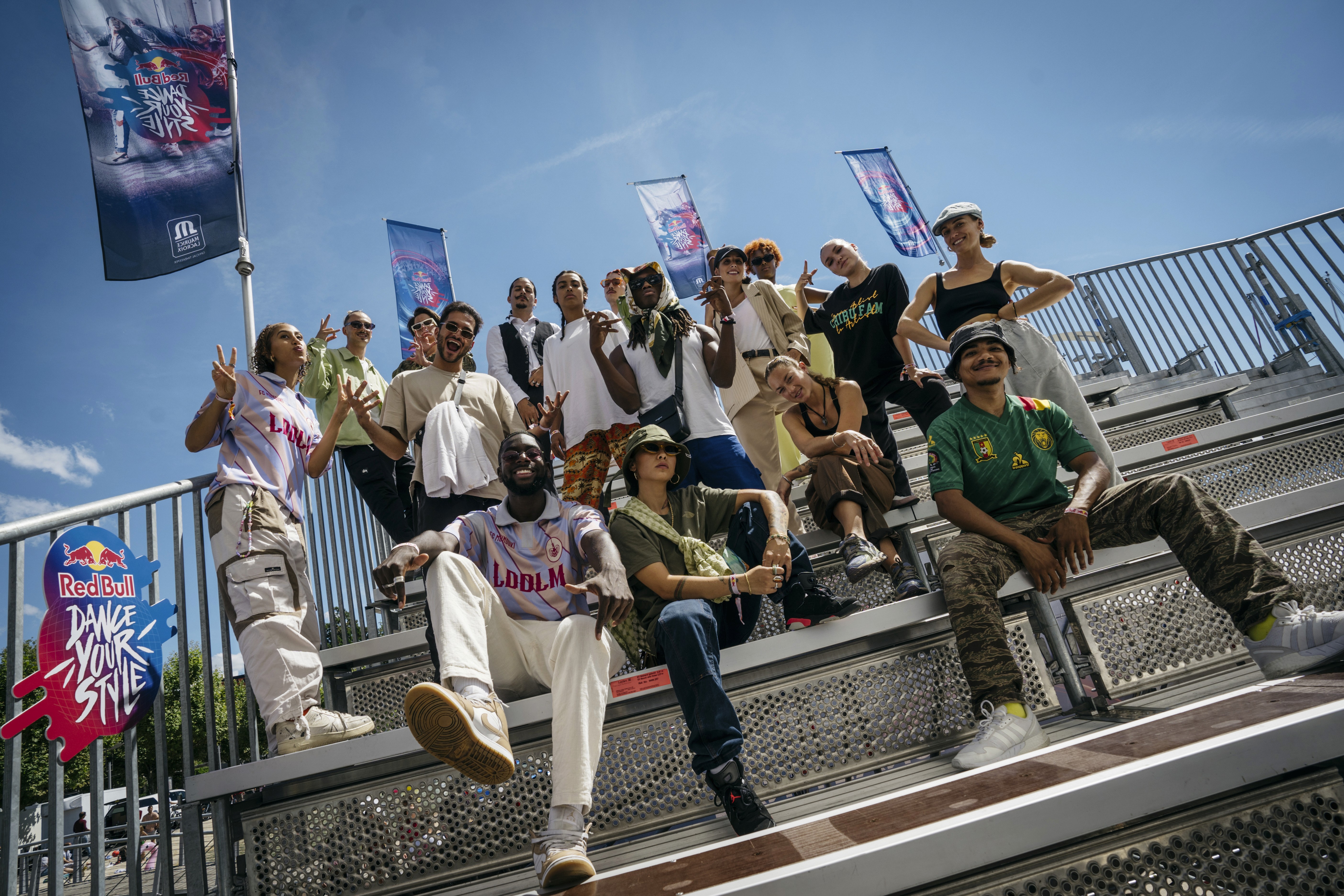

The Dancer’s Body: Why You Should (Also) Train Like an Athlete
Your body is your instrument — treating it like an athlete’s ensures it’s strong, resilient, and ready for anything the dance floor throws at you.
8
min read
Your body is your greatest asset on the dance floor. Want to move stronger, last longer, and stay injury-free? It’s time to train like an athlete — because freestyle demands more than just talent.
Freestyle dance is an incredible form of artistic expression, but behind every smooth move and powerful spin lies a body that must perform at its best. To truly excel and avoid injury, dancers need to train their bodies like athletes do. Here’s why adopting an athletic mindset and training approach is a game-changer for any serious dancer.
Dance is a high-performance sport
Many underestimate how physically demanding freestyle dance is. The bursts of explosive power, the endurance needed for long battles or sessions, the strength to support your own body weight during freezes or power moves — all require athletic conditioning. Scientific studies have shown that dancers demonstrate cardiovascular fitness and muscular endurance comparable to many competitive athletes (source: Koutedakis & Sharp, 2004).
Injury prevention through athletic training
Athletes spend time on strength, flexibility, balance, and recovery routines that keep their bodies resilient and injury-free. When dancers adopt similar routines, they can significantly reduce common dance injuries such as strains, sprains, and overuse syndromes. A 2019 study on dance injury prevention highlighted that strength and conditioning programs tailored to dancers decreased injury rates by up to 50% (source: Wyon et al., 2019).
Building power, stability, and endurance
Athletic training helps develop explosive power for jumps and spins, core stability for control and balance, and muscular endurance to maintain performance over time. Exercises like plyometrics, resistance training, and proprioceptive drills translate directly to better technique and more fluid freestyle.
Mental toughness and discipline
Training like an athlete also means cultivating mental skills — focus, discipline, resilience — that carry over into performance and competition. These mental tools help dancers push through plateaus and perform at their best under pressure.
Practical tips to get started
Incorporate strength training 2-3 times per week focusing on core, legs, and upper body.
Include cardio workouts to boost endurance.
Practice balance and mobility exercises daily.
Prioritize recovery with good sleep, hydration, and stretching.
Your body is your instrument — treating it like an athlete’s ensures it’s strong, resilient, and ready for anything the dance floor throws at you.
Related Posts
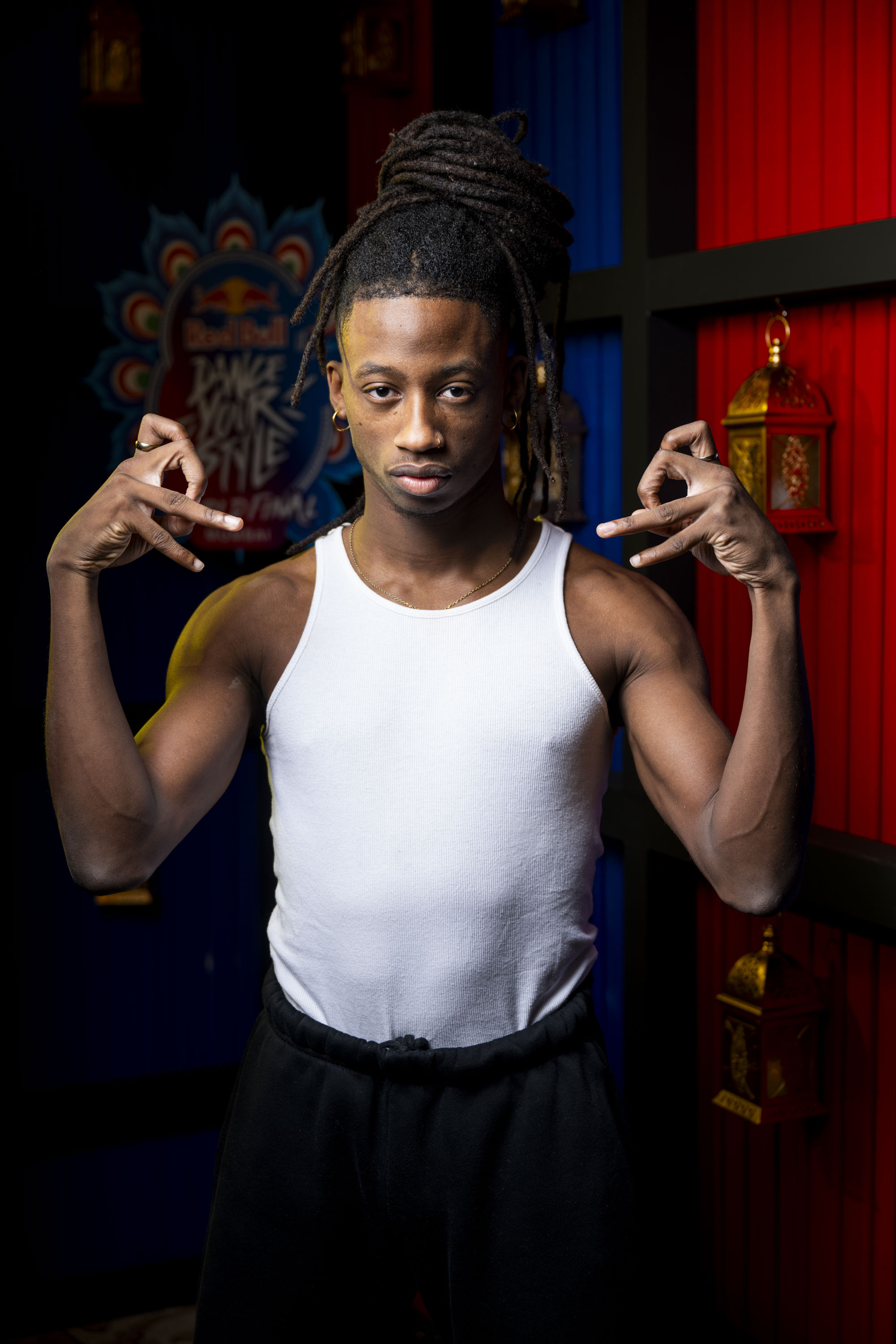
The Ultimate Guide to Building Endurance: Tips from the Pros
Learn expert-approved techniques to improve your stamina, boost performance, and go the extra mile.
The Ultimate Guide to Building Endurance: Tips from the Pros
Learn expert-approved techniques to improve your stamina, boost performance, and go the extra mile.
The Dancer’s Body: Why You Should (Also) Train Like an Athlete
Your body is your instrument — treating it like an athlete’s ensures it’s strong, resilient, and ready for anything the dance floor throws at you.
The Dancer’s Body: Why You Should (Also) Train Like an Athlete
Your body is your instrument — treating it like an athlete’s ensures it’s strong, resilient, and ready for anything the dance floor throws at you.

Freestyle Dance in the Content Era: Expressing or Performing?
Today, we dance as much for the likes as for the vibe… But are we still showing up for ourselves in our movement?
Freestyle Dance in the Content Era: Expressing or Performing?
Today, we dance as much for the likes as for the vibe… But are we still showing up for ourselves in our movement?