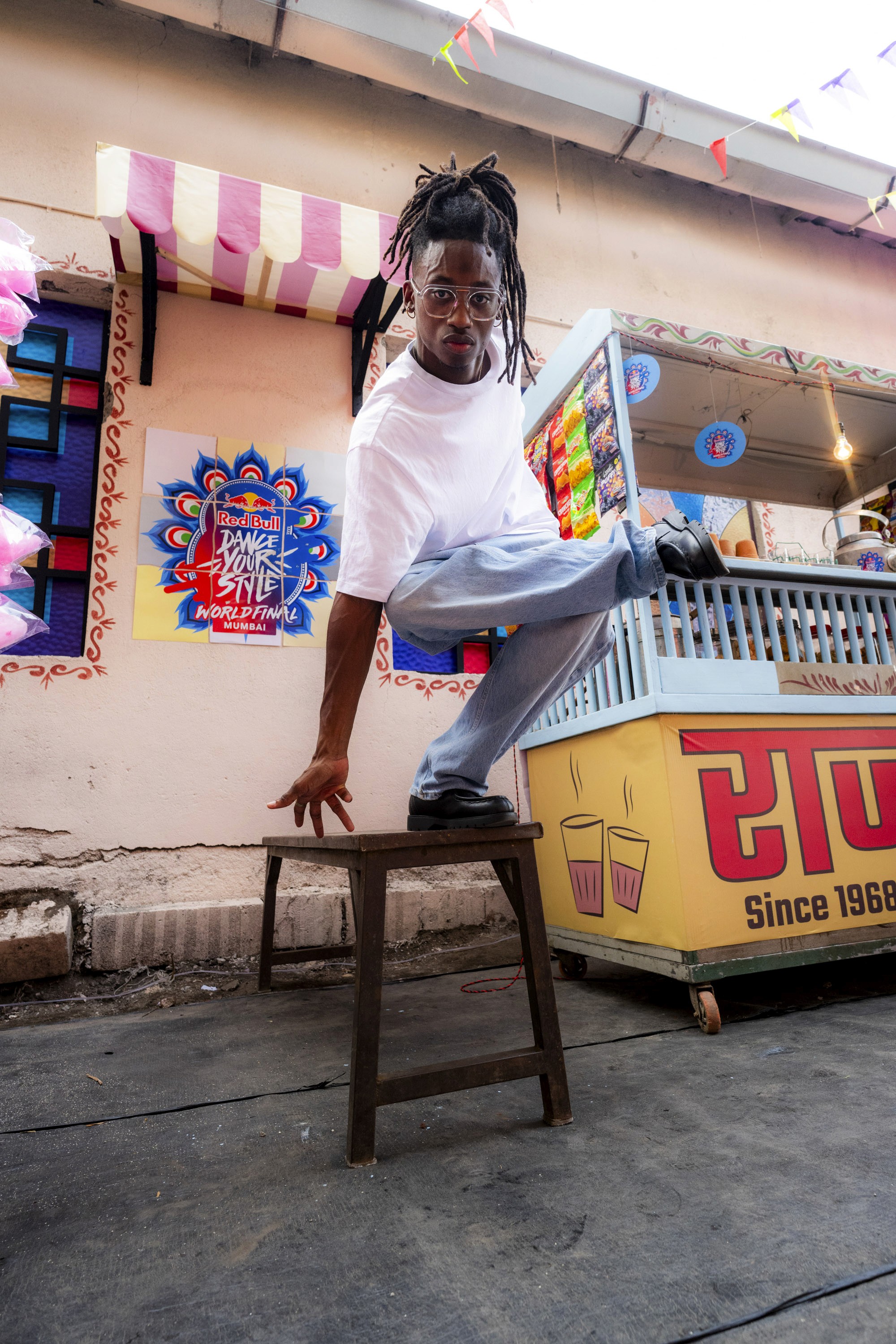

Injuries and Freestyle: Dancing Without Damage
Freestyle dance, encompassing styles like hip-hop, breakdancing, popping, and locking, is celebrated for its creativity and dynamic movement. However, the physical demands of these styles can lead to a significant risk of injury
Share lesson:
Freestyle dance, encompassing styles like hip-hop, breakdancing, popping, and locking, is celebrated for its creativity and dynamic movement. However, the physical demands of these styles can lead to a significant risk of injury. Understanding the nature of these injuries and implementing preventive measures is crucial for dancers aiming to maintain longevity in their practice.
The Prevalence of Injuries in Freestyle Dance
Studies have highlighted a concerning incidence of injuries among freestyle dancers. A comprehensive study involving 146 dancers across various hip-hop styles reported that 52% sustained 159 injuries over five years, with breakdancers experiencing the highest injury rates. Specifically, breakdancers reported 1.286 injuries per 1,000 hours of exposure over five years, compared to 0.61 injuries per 1,000 hours for other styles. The majority of these injuries affected the upper extremities, followed by the lower extremities, trunk, and head and neck regions .
Another study focusing on breakdancers found that over 71% had experienced a dance-related injury in the previous 12 months, with 44.5% injured at the time of the survey. The most frequently injured body parts were the arms/hands (40.6%), shoulders (35.9%), knees (32.2%), neck (22.8%), and ankles (15.6%) .
Common Injury Types and Their Causes
The nature of freestyle dance involves rapid movements, acrobatics, and high-impact landings, which contribute to specific injury patterns:
Knee Injuries: Particularly prevalent among hip-hop dancers, knee injuries account for approximately 36% of all dance-related injuries. These are often due to rapid directional changes, deep squats, and high-impact landings .
Lower Back Injuries: Comprising about 19% of injuries, lower back issues are common due to the intense core engagement required during fluid upper body movements and acrobatic elements .
Upper Extremity Injuries: Breakdancers, in particular, face a high incidence of wrist and shoulder injuries due to power moves that involve weight-bearing on the hands .
Overuse Injuries: Repetitive movements and insufficient recovery can lead to overuse injuries, affecting joints and muscles over time.
Strategies for Injury Prevention
To mitigate the risk of injuries, dancers can adopt several evidence-based strategies:
Comprehensive Warm-Up
A well-structured warm-up prepares the body for the physical demands of dance. It should include:
Dynamic Stretching: Engaging in movements that mimic dance steps to increase blood flow to muscles.
Joint Mobilization: Performing exercises that enhance the range of motion in joints.
Activation Exercises: Targeting specific muscle groups to activate stabilizers and prevent strain.
Studies have shown that proper warm-up routines can reduce the incidence of injuries by enhancing muscle elasticity and joint mobility.
Strength and Conditioning
Incorporating strength training into a dancer’s routine helps build muscle endurance and joint stability. Focus areas include:
Core Strength: Essential for maintaining balance and proper posture during dynamic movements.
Lower Body Strength: Crucial for absorbing impact during landings and executing jumps.
Upper Body Strength: Important for power moves and weight-bearing actions.
Strengthening these areas can improve performance and reduce the likelihood of injuries.
Technique Refinement
Proper technique is fundamental in preventing injuries. Dancers should:
Maintain Proper Alignment: Ensuring joints are correctly aligned during movements to distribute forces evenly.
Avoid Overexertion: Recognizing personal limits and avoiding pushing beyond them.
Utilize Protective Gear: When appropriate, using wrist guards or knee pads can provide additional support.
Regular feedback from instructors and video analysis can aid in correcting posture and movement patterns.
Adequate Recovery
Rest and recovery are vital components of an effective training regimen. Strategies include:
Rest Days: Scheduling regular breaks to allow the body to repair and strengthen.
Active Recovery: Engaging in low-intensity activities like swimming or yoga to promote circulation without straining muscles.
Sleep: Ensuring sufficient sleep to facilitate muscle repair and cognitive function.
Research indicates that adequate recovery reduces the risk of overuse injuries and enhances overall performance.
Cross-Training
Incorporating different forms of exercise can improve overall fitness and reduce the risk of repetitive strain injuries. Activities such as swimming, cycling, or yoga can enhance flexibility, cardiovascular health, and muscle balance.
Share lesson:
Be notified of new videos & blog posts as soon as they drop
You've been subscribed!
About Author

Pakissi Indigo is a hip-hop freestyle dancer driven by a deep search for meaning, authenticity, and cultural legacy. Shaped by raw experience — from battles to sessions and community exchange — his journey reflects a unique mindset where every move tells a story.
Through his content and presence, he invites dancers to look beyond the steps: to understand the cultural roots, the intention behind the gesture, and to nurture their own physical language.
It’s not about performance — it’s about connection: with self, with the music, with the present moment.
Today, Pakissi creates a structured space for dancers to grow, reflect, and express their true identity through movement — one step at a time.