05. Hip-hop History
Copy Link
Comments
Lesson details
History of Hip-Hop
You can’t dance Hip-Hop if you don’t know where it comes from.
This course is an invitation to reconnect with the roots — to go back before the moves, before the battles, before the tutorials.
Hip-Hop was born in the Bronx, New York, in the 1970s. Not in studios, not on social media — but in the streets, the parks, the community centers. It came from young people — mostly Black and Latinx — who used creativity as survival, movement as resistance, and music as freedom.
They didn’t have stages.
They had turntables, cardboard, energy, and vision.
In this course, you’ll dive into the four original elements:
DJing, MCing, Graffiti, and Breaking — and understand how dance was never separate, but part of a larger culture of expression, identity, and resistance.
You’ll explore how social and political realities shaped the movement, how it spread, evolved, and why it still holds power today. Because Hip-Hop isn’t just about “doing” steps — it’s about knowing what you carry when you move.
This is not a history lesson you’ll memorize.
It’s a story you’ll feel.
By the end of this course, you won’t just be dancing with skill — you’ll be dancing with understanding, respect, and a deeper connection to a culture that gave birth to one of the most powerful art forms in the world.
Hip-Hop started with people. With pain, joy, rhythm, and truth.
Let’s never forget that.
This is where your real freestyle journey begins.
Share lesson:
About Author
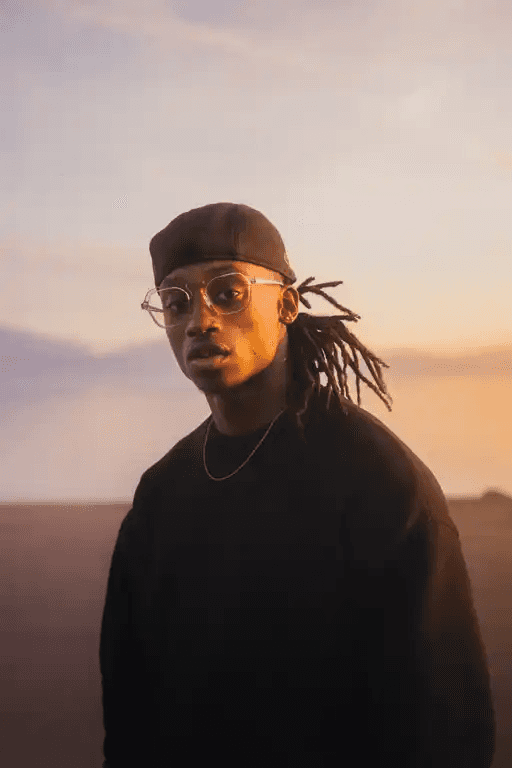
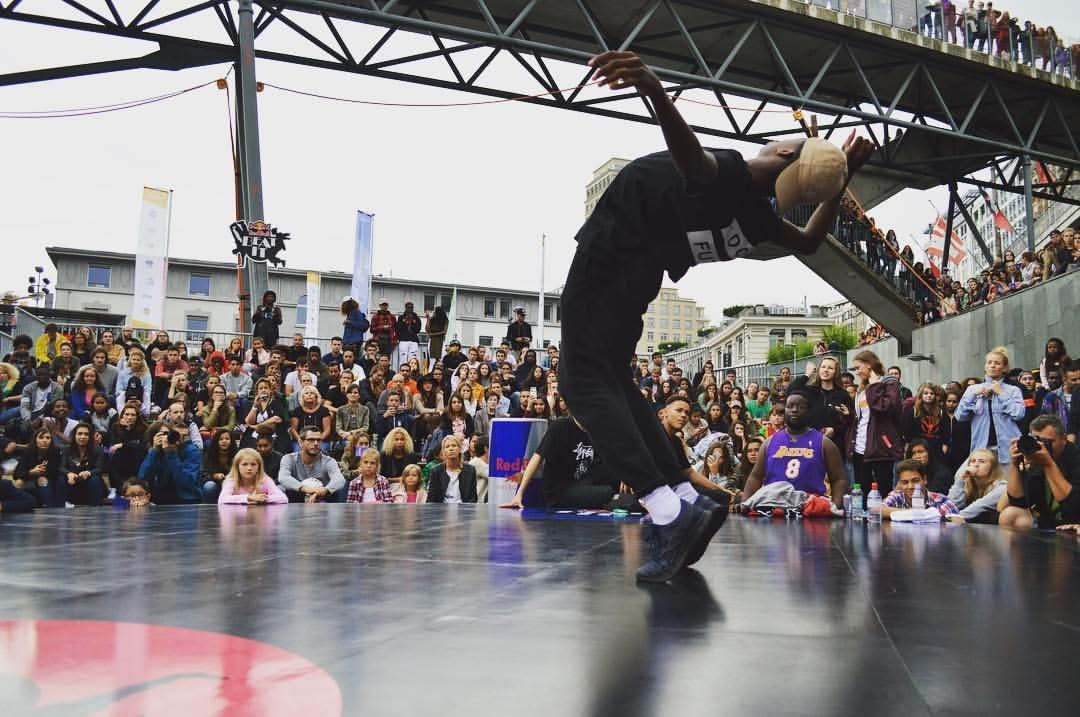
Pakissi Indigo is a hip-hop freestyle dancer driven by a deep search for meaning, authenticity, and cultural legacy. Shaped by raw experience — from battles to sessions and community exchange — his journey reflects a unique mindset where every move tells a story.
Through his content and presence, he invites dancers to look beyond the steps: to understand the cultural roots, the intention behind the gesture, and to nurture their own physical language.
It’s not about performance — it’s about connection: with self, with the music, with the present moment.
Today, Pakissi creates a structured space for dancers to grow, reflect, and express their true identity through movement — one step at a time.
Be notified of new videos & blog posts as soon as they drop
You've been subscribed!